

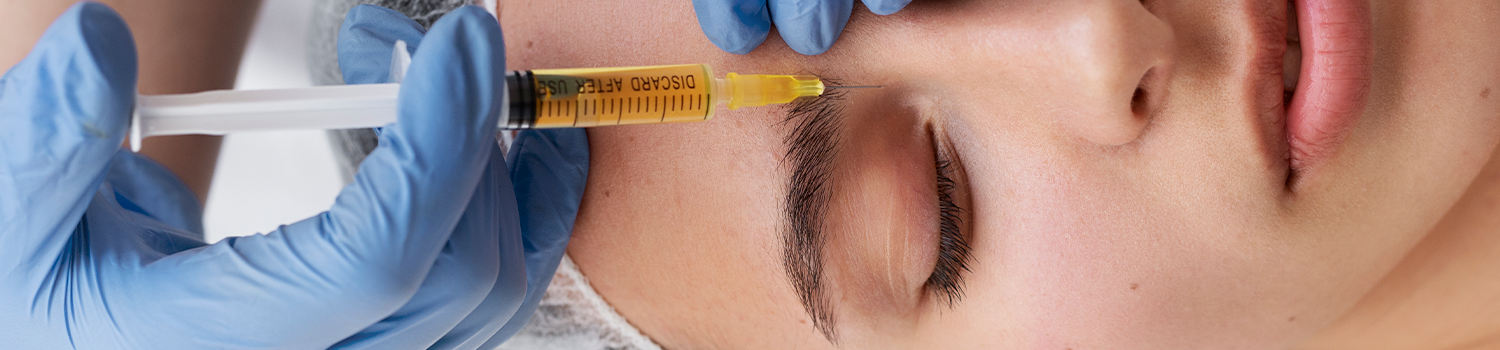
The Many Uses of Botox Beyond Wrinkles and how it works
Health, Wellness & Aesthetics
Botox is widely known for its ability to smooth out forehead lines and frown wrinkles, but its benefits go far beyond cosmetic applications. Originally approved for medical use in the 1980s, Botox (botulinum toxin type A) has since been extensively researched and found to be highly effective in treating a variety of medical and aesthetic concerns.
How Botox Works
Botox works by temporarily blocking nerve signals to targeted muscles, preventing them from contracting. This mechanism not only reduces wrinkles but also has powerful therapeutic applications. The effects typically last between three to six months, depending on the area treated. What is important to remember is- ‘if you don’t use it, you lose it’. With repeated Botox use, the muscle atrophy and less frequent application is necessary. So how can we use it beyond Aesthetic indications? Here are the Medical
Applications of Botulinum Toxin.
1. Chronic Migraines
The FDA approved Botox for chronic migraine treatment in 2010. Research shows that Botox injections around the head and neck can significantly reduce the frequency and severity of migraines. A 2017 study in The Journal of Headache and Pain found that patients receiving Botox experienced an average reduction of 8-9 headache days per month.
2. Hyperhidrosis (Excessive Sweating)
Botox is an incredibly effective treatment for excessive sweating in areas such as the underarms, palms, feet, and scalp. By blocking nerve signals to sweat glands, it can reduce excessive perspiration for up to six months. Clinical trials published in Dermatologic Surgery demonstrated an 82-87% reduction in underarm sweating following Botox treatment.
3. Bruxism (Teeth Grinding) and Jaw Slimming
Many people unknowingly grind their teeth at night, leading to jaw pain, headaches and dental issues. Botox injections in the masseter muscles help relax the jaw, reducing grinding and clenching. As a bonus, this treatment can also create a more contoured, slimmer jawline over time.
4. Strabismus (Crossed Eyes) and Blepharospasm (Eyelid Spasms)
One of Botox’s earliest medical uses was for eye muscle disorders. By relaxing the overactive muscles causing crossed eyes and eyelid twitching, Botox has provided relief for thousands of patients since its approval in the 1980s.
5. Gummy Smile Correction
For individuals who feel self-conscious about excessive gum visibility when smiling, Botox can be injected into the upper lip and other areas to reduce its elevation, creating a more balanced and aesthetically pleasing smile.
6. Neck Bands and Platysmal Tightening
As we age, vertical bands may appear on the neck due to muscle activity. Botox injections can relax these muscles, leading to a smoother and more youthful-looking neck. The Platysma muscle is responsible for pulling the face downward, so by treating it with a muscle relaxant, the jaw can appear more contoured as the downward forces are alleviated.
7. Depression and Mood Disorders
Emerging research suggests that Botox injections in the glabellar region (between the eyebrows) may have an antidepressant effect. A 2020 study in Scientific Reports found that patients receiving Botox for frown lines reported improved mood and reduced symptoms of depression, possibly due to the facial feedback mechanism.
Whilst we love its application in Aesthetic Medicine, we must keep in mind that Botox is not just for wrinkles—it is a versatile treatment with proven benefits in both medical and aesthetic fields. With ongoing research, even more applications may be discovered in the future. If you are curious about how Botox could benefit you beyond cosmetic concerns, consult our qualified and experienced medical doctors at Medihub to explore your options.